
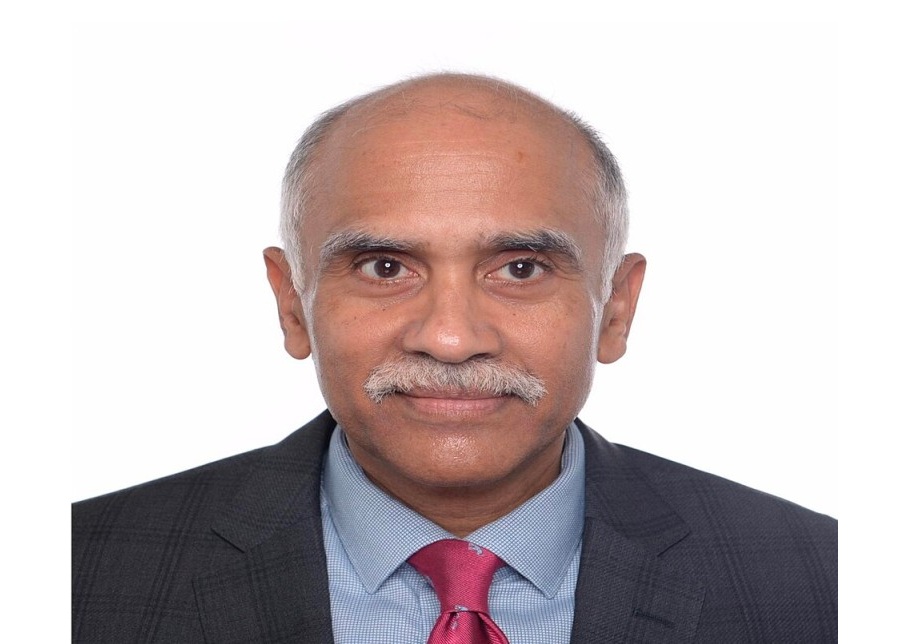
In a recent United Nations Security Council meeting, India firmly rebuked Pakistan for its characterization of certain groups in Balochistan as “Fitna al-Hindustan,” a term implying foreign-backed disruption. India’s representative to the UN, Harish Parvathaneni, labeled this terminology as state-sponsored misinformation, accusing Pakistan of leveraging religious language to foster antagonism against India.
Parvathaneni contended that Pakistan’s narrative is part of a systematic misinformation campaign aimed at deflecting attention from its own political and economic challenges. He argued that the rhetoric serves to maintain anti-India sentiment rather than addressing the root causes of Pakistan’s issues. This comment came in response to Pakistan’s official move to categorize militant groups in Balochistan as representatives of foreign interference.
The tensions were further inflamed by India’s concerns over Pakistan’s military activities in Afghanistan. The Indian envoy alleged that Pakistani airstrikes had led to civilian casualties, which he claimed could not be justified under the pretense of counterterrorism. Parvathaneni called for accountability, emphasizing that civilian deaths must not be overlooked.
In addition, Parvathaneni criticized the leadership in Pakistan, both political and military, arguing that attributing domestic crises to neighboring countries would not solve Pakistan’s internal problems. He suggested that such blame-shifting tactics only serve to exacerbate existing tensions.
The exchange at the international forum underscores the enduring friction between India and Pakistan, as both nations continue to accuse each other of destabilizing activities and interference. These interactions highlight the ongoing challenges in their bilateral relations, often played out on the global stage.