
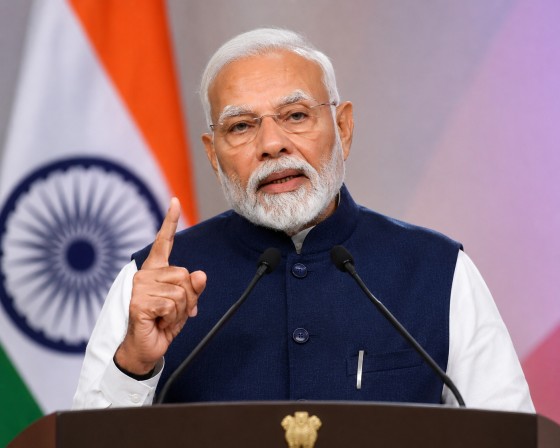
In response to ongoing student protests and examination paper leaks, Indian Prime Minister Narendra Modi has unveiled plans to establish fast-track courts aimed at delivering swift justice to those implicated in such breaches. This initiative is part of the government’s broader strategy to impose stricter penalties on individuals who threaten the future of the nation’s youth. Modi emphasized that the interests of students are paramount and that those responsible for these violations “will not be spared.”
Announcing the measures via social media, Modi assured the public that authorities have been instructed to take comprehensive steps to safeguard students’ educational prospects. The introduction of these courts is a pivotal move to enhance the accountability of the examination system, which has been marred by irregularities and repeated leaks.
The announcement coincides with heightened tensions in New Delhi, where students have been protesting against the persistent issues in the examination system. The demonstrators have been vocal in demanding accountability for the paper leaks and have called for the resignation of the education minister. The protests escalated earlier this week following confrontations with police near the Parliament, resulting in injuries to several individuals.
These demonstrations have grown beyond the immediate concern of examination paper leaks, encompassing broader grievances such as unemployment and the lack of opportunities for young people. The integrity of India’s examination system has been under scrutiny, particularly after the leak of a national medical entrance exam paper which led to millions of candidates retaking the test. Further controversies have arisen from issues with the evaluation of high school examinations.
The government views the establishment of fast-track courts as a critical step towards regaining public trust in the examination process. By ensuring prompt and decisive action against those involved in paper leaks, the authorities hope to restore credibility and reinforce the system’s integrity.