
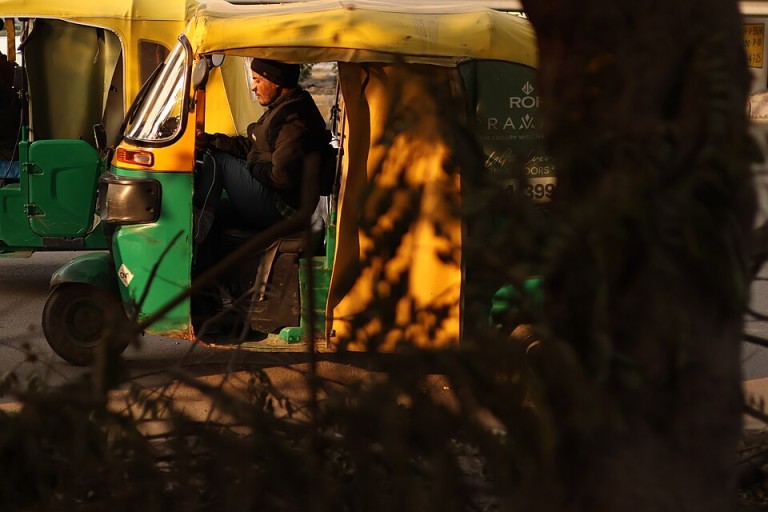
In a significant move to tackle air pollution, Delhi’s government has unveiled plans to phase out petrol-powered scooters, motorcycles, and autorickshaws. This initiative seeks to reduce harmful emissions and enhance air quality in the bustling capital. By 2030, the city aims to electrify at least 30% of its vehicle fleet, marking a shift towards more sustainable transportation. The rollout will see new registrations for electric three-wheelers and small commercial vehicles starting in 2027, with electric scooters and motorcycles following in 2028.
The transportation sector is a major contributor to Delhi’s pollution woes, with vehicle emissions particularly exacerbating the city’s notorious winter smog. Environmental experts have praised the policy, noting that transitioning to electric two- and three-wheelers could markedly cut emissions and improve public health. To support this transition, the government plans to install over 30,000 public charging points, ensuring widespread accessibility for electric vehicle users.
Despite the environmental benefits, the transition has raised concerns among auto-rickshaw drivers. They worry about issues such as charging time, the cost of new vehicles, maintenance challenges, and the potential for income losses during the shift. In addition to these concerns, some experts have called on the government to prioritize the expansion of clean public transport options and enhance last-mile connectivity to ease the transition.
The policy includes incentives, such as tax benefits, to encourage the adoption of electric vehicles. However, critics argue that the timeline might be too ambitious, potentially leaving drivers, manufacturers, and consumers unprepared for such a profound change. As Delhi moves forward with this plan, the balance between environmental goals and economic realities will be crucial for its success.